

Soul music is defined by its raw emotional honesty, and that honesty is precisely why soul music transcends age groups in a way few other genres can match. From Aretha Franklin’s gospel-rooted power to Alicia Keys’s modern vulnerability, the genre speaks to something universal: the need to feel understood. Otis Redding did not write for a demographic. He wrote from pain, and pain has no age limit. This article explains the musical, scientific, and cultural reasons why people love soul music across generations, drawing on neuroscience, streaming data, and live performance evidence.
Why soul music transcends age groups through its vocal and musical qualities
Soul music’s cross-generational pull begins with how it sounds. The genre does not aim for perfection. It aims for truth.
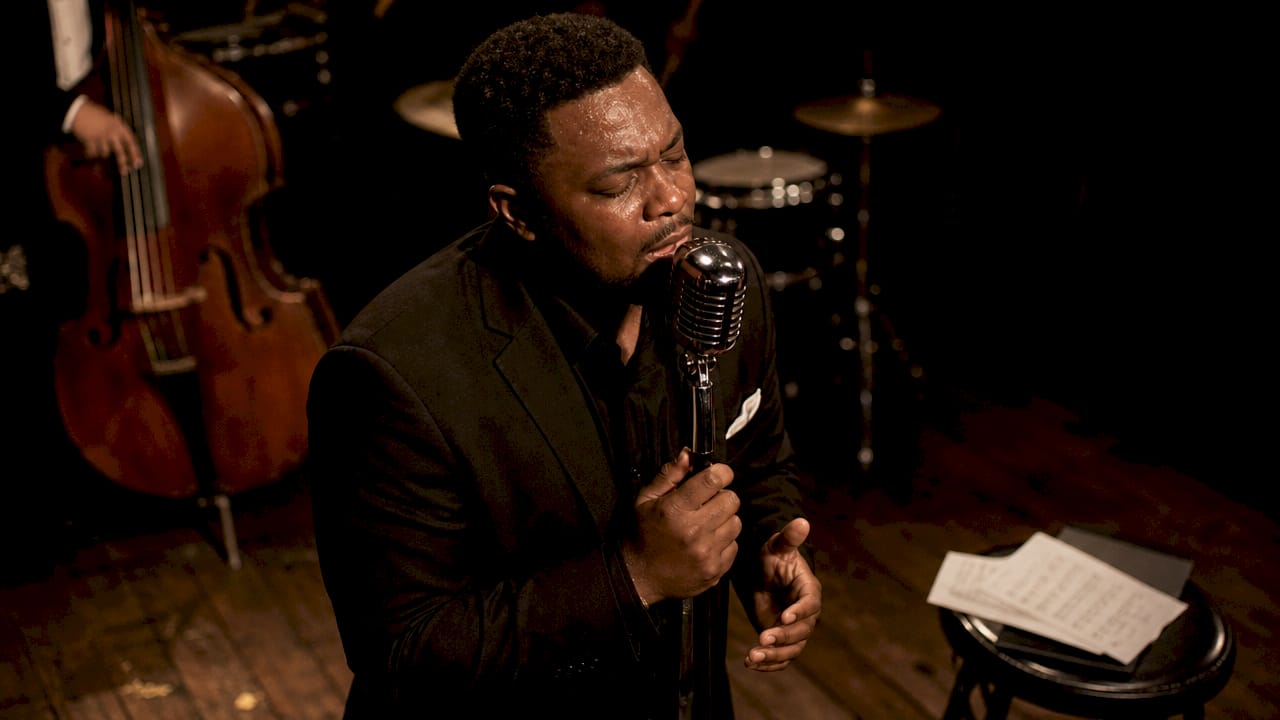
Unpolished vocal performances create intimacy and emotional connection that studio-polished pop cannot replicate. Voice cracks, breathiness, and slight timing delays are not flaws in soul music. They are the point. These imperfections signal authenticity, and listeners of every age respond to authenticity because it mirrors real human experience.
The structural elements of soul music reinforce this connection further:
- Call-and-response patterns borrowed from gospel tradition create a conversational dynamic between singer and listener, making the music feel participatory rather than passive.
- Hammond B3 organs and string sections do not simply accompany the voice. These instruments mimic the rhythmic patterns of human speech, activating the auditory cortex in ways that feel instinctively familiar.
- Minimal arrangements place the emotional weight on the performer, not the production, which means the music ages well because it was never dependent on a particular sonic trend.
Contrast this with contemporary hyper-produced pop, where pitch correction and algorithmic beats dominate. That sound reflects a moment in time. Soul music reflects a moment in a life.
Pro Tip: When introducing someone to soul music for the first time, start with a live recording rather than a studio version. The spontaneity and imperfection of a live performance communicate the genre’s emotional core far more directly.
How does science explain soul music’s emotional power?
The emotional impact of soul music is not simply a matter of taste. Neuroscience and music therapy research confirm measurable physiological responses that explain why the genre connects so deeply with listeners regardless of age.
Soul music triggers prolactin release, a hormone associated with comfort and the soothing of grief, while simultaneously lowering cortisol levels during periods of distress. This means that listening to Otis Redding or Sam Cooke during a difficult moment is not escapism. It is a biological response to emotional validation.
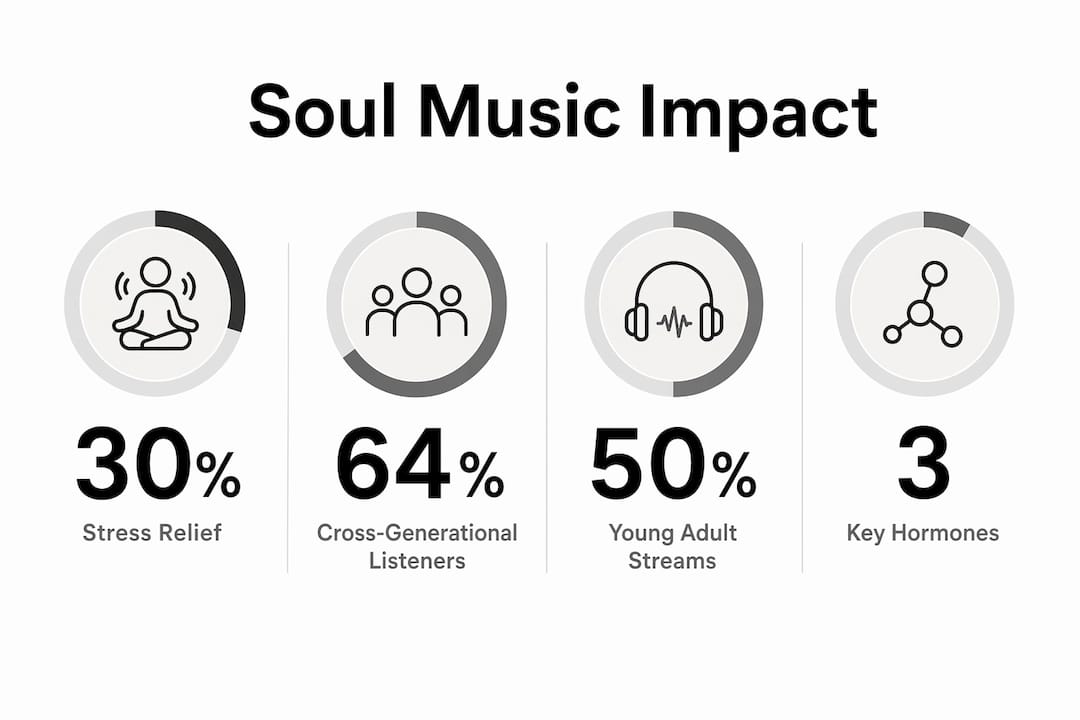
The concept of social surrogacy explains another layer of this connection. A singer’s raw, honest delivery acts as a form of companionship, reducing feelings of loneliness by making the listener feel genuinely heard. This is why soul music has long been the soundtrack to grief, heartbreak, and resilience across cultures and age groups.
| Mechanism | Effect on listener | Relevant artist example |
|---|---|---|
| Prolactin release | Reduces stress and soothes emotional pain | Aretha Franklin, Sam Cooke |
| Social surrogacy | Eases loneliness through perceived companionship | Otis Redding, Teddy Swims |
| Dopamine and oxytocin | Links personal memories to music, deepening attachment | Alicia Keys, John Legend |
| Catharsis through shared grief | Provides psychological relief and identity affirmation | Nina Simone, H.E.R. |
Dopamine and oxytocin release triggered by soul’s chord progressions and vulnerable vocals also links personal memories to specific songs. This is why a track heard at 16 can produce the same emotional response at 60. The music becomes encoded with lived experience, and that encoding crosses every generational boundary.
In what ways do cultural factors help soul music cross generations?
The cultural conditions that sustain soul music’s appeal are as significant as its musical qualities. Several distinct forces work together to keep the genre relevant across age groups.
Family transmission. Younger listeners frequently encounter soul music through parents’ and grandparents’ playlists. This is not passive exposure. It creates emotional associations between the music and the people who shared it, giving the genre a personal dimension that streaming algorithms cannot manufacture.
The vintage gem effect. TikTok and short-form platforms have transformed how younger generations engage with older music, reframing classic soul tracks as stylish discoveries rather than relics. A Marvin Gaye sample in a hip-hop track or a viral TikTok using an Aretha Franklin song lowers the generational barrier entirely.
Universal themes. Soul music addresses love, loss, resilience, and identity. These are not generational concerns. A 19-year-old experiencing heartbreak and a 55-year-old processing grief are reaching for the same emotional vocabulary, and soul music provides it.
Live music as community. Soul concerts consistently draw mixed-age audiences. The shared physical experience of live performance creates intergenerational community in real time, reinforcing the sense that this music belongs to everyone.
25% of consumers aged 13 to 24 listen mostly to music from the 1990s or earlier, and 64% of the US population listens to 90s music, surpassing both 1980s and 2020s listenership. These figures confirm that younger audiences are actively choosing older music, not simply inheriting it.
How do modern artists and platforms sustain soul music’s relevance?
Soul music’s timeless nature does not mean it stands still. Contemporary artists and digital platforms actively carry the tradition forward while making it accessible to new audiences.
Artists such as Alicia Keys, John Legend, and H.E.R. continue the soul tradition with modern production sensibilities. They retain the emotional core of the genre while incorporating contemporary arrangements that connect with younger listeners. Modern artists blend vintage soul techniques with current production, sustaining emotional intensity without sacrificing accessibility.
The streaming and social media picture reinforces this. 50% of ABBA streams come from listeners aged 18 to 24, with TikTok content tagged with the band reaching 17 billion views, two thirds from young audiences in Australia. The parallel for soul music is direct: legacy acts and classic recordings are finding entirely new audiences through digital discovery.
| Platform or artist | Mechanism | Audience reached |
|---|---|---|
| TikTok | Short-form clips using classic soul tracks as soundtracks | Gen Z and younger millennials |
| Spotify and Apple Music | Algorithm-driven discovery playlists | Cross-generational streaming audiences |
| H.E.R. and Alicia Keys | Contemporary soul with vintage emotional depth | 18 to 45 age range |
| Hip-hop sampling | Classic soul hooks recontextualised in modern tracks | Younger urban audiences |
Sampling is particularly significant. When a producer samples a Bill Withers groove or a Curtis Mayfield melody, they introduce that emotional vocabulary to an audience that may never have sought it out directly. Social barriers to soul music among youth are reduced through digital sharing and reinterpretation, transforming passive listening into active identity. Soul music becomes something young listeners claim as their own, not something handed down to them.
You can also explore how artists like Teddy Swims built his following through soul influences and digital platforms, demonstrating exactly how this tradition continues to find new audiences.
Why does soul music’s imperfection create deeper listener connections?
The most counterintuitive quality of soul music is also its most powerful. Imperfection, in this genre, is a feature rather than a fault.
Soul’s emotional resonance stems from musical imperfections such as breathy vocals and slight rhythmic delays. These qualities create intimacy that polished production actively removes. When a singer’s voice breaks on a high note, the listener does not hear failure. They hear a human being at the edge of their emotional capacity, and that recognition is profoundly connecting.
Soul music also prioritises storytelling over technical display. The goal is not to demonstrate vocal range. The goal is to make the listener feel something specific. This is why soul music helps listeners process grief through catharsis and shared experience. The expressed emotion validates the listener’s own feelings, providing psychological relief that technically perfect music rarely achieves.
The legacy of artists like Nina Simone, Ray Charles, and Marvin Gaye set an emotional standard that endures precisely because it was never tied to a production trend. Their recordings sound as emotionally immediate today as they did on release, because the human experiences they document have not changed.
Pro Tip: Pay attention to the moments in a soul track where the singer appears to lose control slightly. That is often the most carefully crafted moment in the performance, and it is where the deepest emotional communication happens.
Key takeaways
Soul music transcends age groups because its emotional authenticity, physiological impact, and cultural adaptability address universal human experiences that no generation has exclusive claim to.
| Point | Details |
|---|---|
| Vocal imperfection drives connection | Voice cracks and breathiness signal authenticity, inviting empathy from listeners of all ages. |
| Science confirms the appeal | Prolactin, dopamine, and oxytocin responses explain why soul music soothes and connects across generations. |
| Cultural transmission sustains relevance | Family playlists, TikTok discovery, and sampling introduce soul to younger audiences continuously. |
| Modern artists carry the tradition | H.E.R., Alicia Keys, and John Legend retain soul’s emotional core with contemporary production. |
| Imperfection is the point | Soul’s deliberate vulnerability creates intimacy that algorithm-driven production cannot replicate. |
Soul music and the live experience: a personal view
I have watched audiences at live soul performances for a long time, and one thing never changes. The age range in the room is always wider than at almost any other genre of concert. You will see a 22-year-old and a 68-year-old reacting to the same moment in the same song with the same expression. That does not happen at many other gigs.
What strikes me most is that soul music does not ask the audience to meet it halfway. It comes directly to you. The emotional content is so unambiguous, so unguarded, that there is no interpretive work required. You simply feel it or you do not, and most people feel it regardless of when they were born.
The argument that soul music is “for older listeners” collapses the moment you see a room full of people of all ages singing every word of an Aretha Franklin song they discovered three months ago on a playlist. The music does not care about the year you were born. It cares about whether you have ever loved something, lost something, or needed to feel less alone. That is everyone.
What I find most telling is that younger listeners who discover soul music rarely describe it as nostalgic. They describe it as honest. That distinction matters. Nostalgia is about the past. Honesty is about right now.
— Deni
Experience soul music live with Brownsugarmusic in Sydney

Brownsugarmusic has been performing authentic soul and R&B in Sydney since 2003, holding a residency at Marble Bar in the Hilton Sydney every Friday night for over 20 years. The band draws audiences of all ages precisely because the music they perform carries the same emotional weight this article describes. Corporate events, weddings, and late-night bar sets all attract the same response: a room full of people who did not expect to feel quite so much.
If you want to experience firsthand why soul music connects across generations, see Brownsugarmusic live at one of their upcoming Sydney performances. The band also performs at private functions and events across Australia and internationally. Booking details are available at brownsugarmusic.com.au.
FAQ
Why does soul music appeal to so many different age groups?
Soul music addresses universal experiences such as love, loss, and resilience through emotionally honest performance. These themes are not generational, which means the music connects with listeners regardless of when they were born.
What makes soul music different from other genres emotionally?
Soul music uses vocal imperfections, call-and-response patterns, and instruments like the Hammond B3 organ to communicate emotion in ways that mirror human speech. This creates a physiological response, including dopamine and prolactin release, that other genres rarely trigger as consistently.
Are younger generations actually listening to soul music?
Yes. 25% of listeners aged 13 to 24 listen mostly to music from the 1990s or earlier, and platforms like TikTok have accelerated discovery of classic soul tracks among younger audiences through sampling and viral content.
How does live soul music differ from recorded versions?
Live soul performances amplify the genre’s emotional impact because spontaneity and imperfection are more visible. The shared physical experience of a live show also creates intergenerational community that recorded music cannot replicate.
Which modern artists carry the soul tradition forward today?
Alicia Keys, John Legend, and H.E.R. are the clearest examples. Each retains the emotional depth and vocal vulnerability of classic soul while incorporating contemporary production that connects with younger listeners.