

A live band is the single most effective entertainment choice for a wedding reception, delivering guest engagement, atmosphere, and spontaneous moments that recorded music cannot replicate. The live band wedding reception benefits go well beyond sound quality. Musicians read the room, adjust their energy in real time, and turn a room full of guests into an active, connected crowd. Brownsugarmusic, Sydney’s resident R&B and soul band since 2003, has performed at hundreds of weddings and seen this effect play out night after night. This guide covers every key advantage, practical consideration, and tip to help couples get the most from live music on their wedding day.
1. Live band wedding reception benefits: guest engagement and atmosphere
Live bands generate 45% higher engagement scores and 60% more social media activity than DJ-only events. That gap exists because live performance creates an interaction loop. Guests watch, respond, and participate rather than simply listen.
A live band functions as a visual spectacle as much as a musical one. Guests gravitate toward the stage, conversations spark around the performance, and the dance floor fills earlier and stays fuller longer. This effect is especially pronounced at receptions with large guest lists, where a live band sets a memorable focal point that anchors the room.
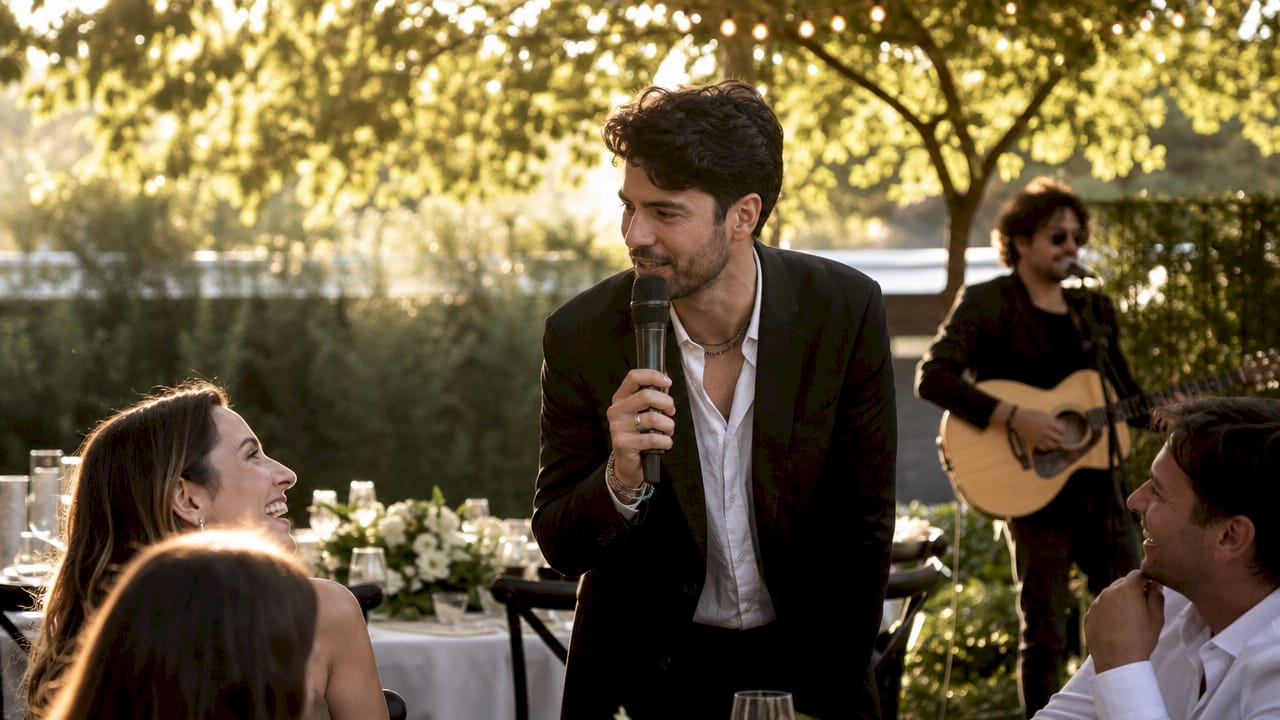
Musicians also adapt in ways no playlist can. A skilled band leader reads the crowd’s energy and shifts tempo, genre, or intensity within a single set. If the floor empties during a slow stretch, the band accelerates. If guests are electric, the band matches and amplifies that energy. This responsiveness is the core of the live wedding music advantage.
Key ways live bands drive engagement:
- Real-time tempo and song selection based on crowd mood
- Direct audience interaction from the stage (call and response, dedications)
- Visual performance that gives guests a focal point beyond the dance floor
- Spontaneous moments that guests photograph and share
Pro Tip: Ask your band to include at least one crowd interaction moment per set, such as a call-and-response or a guest dedication. These moments generate the most social sharing and the strongest memories.
2. Memorable moments only a live band can create
The first dance is the most photographed moment of any reception. A live band performing that song adds a layer of emotion and presence that a recording simply cannot match. The slight imperfections, the breath between phrases, and the eye contact from the vocalist make the moment feel real and unrepeatable.
Live bands also personalise songs in ways that matter. A band can learn a couple’s song in a specific key, adjust the arrangement to suit the vocalist, or blend two songs together for a unique medley. These are not options available from a playlist.
The moments that guests remember most from weddings tend to be unscripted. A live band creates the conditions for those moments to happen:
- The vocalist dedicates a song to the couple’s parents mid-set
- A guest joins the band on stage for a spontaneous duet
- The band shifts into an unexpected classic that fills the floor instantly
- The lead singer calls out the couple’s names during a chorus
- The band extends a song because the crowd refuses to leave the floor
Each of these moments is a direct product of having live musicians present. Recorded music delivers none of them. The importance of live music at a wedding lies precisely in this capacity for genuine, unrepeatable experience.
3. Budget, timing, and production quality
Entertainment budgets for weddings should represent 8–10% of the total wedding cost. Live bands typically cost between $3,500 and $12,000 or more, depending on the number of musicians, experience level, and location. That range is wide, but the cost-per-engagement often favours live bands despite the higher price, because participation and atmosphere are measurably superior.
Timing your live band set
The optimal live band performance window is 90 minutes to 3 hours. Sets shorter than 90 minutes rarely build enough momentum. Sets longer than 3 hours risk fatigue for both musicians and guests. Most receptions structure this as two sets of 45–60 minutes each, with a short break in between.
| Set structure | Duration | Purpose |
|---|---|---|
| First set | 45–60 minutes | Warm up the room, establish energy |
| Break | 15–20 minutes | DJ or background music fills the gap |
| Second set | 45–60 minutes | Peak energy, dance floor at full capacity |
| Late night option | DJ or after-party band | Continuous music with no downtime |
Sound quality and technical production
Poor sound quality is the top factor undermining live band success, regardless of musical talent. A band that sounds muddy or unbalanced will lose the room quickly, no matter how skilled the musicians are.
Every professional band should supply a technical rider covering audio requirements, stage dimensions, lighting needs, and power supply. Share this document with your venue coordinator well in advance. Confirm the venue can meet every requirement before signing contracts.
Pro Tip: Visit your venue with the band’s technical rider in hand. Walk the room with the venue’s audio technician and confirm speaker placement, stage position, and power access. This single step prevents the majority of sound problems on the night.
4. How to maximise the value of your live band
The band’s performance is only as good as the briefing you give them. Couples who invest time in communicating their vision get a noticeably better result. A thorough brief covers the event timeline, key moments, must-play and do-not-play lists, and the overall tone you want for the evening.
Use the guide on how to brief a wedding band to structure your conversation with the band leader. Cover these points as a minimum:
- Full event timeline from arrival to last song
- First dance song, parent dances, and any other dedicated moments
- Must-play list (10–15 songs that represent your taste)
- Do-not-play list (songs with negative associations or wrong tone)
- Dress code and any specific stage presentation requirements
- Contact person on the night for real-time coordination
Combining live music with a DJ
Combining a live band for the main reception with a DJ for the after-party keeps energy high with no downtime. This hybrid approach is now the standard at premium weddings. The band headlines the peak reception hours, and the DJ takes over for late-night continuous music. Couples planning this format should confirm the DJ and band have worked together before, or at minimum brief both on the handover timing. For couples weighing the two options, a clear live band vs DJ comparison helps clarify which format suits each part of the evening.
Encouraging guest participation
Guest song requests are one of the most effective tools for keeping energy high. A band that accepts requests in real time creates a sense of ownership among guests. They feel invested in the night rather than passive observers. Brownsugarmusic regularly incorporates guest requests into live sets, adjusting on the fly to keep the floor moving. The guide on guest music requests covers how to manage this process without disrupting the band’s flow.
Key takeaways
Live bands deliver measurably superior guest engagement, atmosphere, and memorable moments compared to recorded music alone, making them the strongest entertainment investment for a wedding reception.
| Point | Details |
|---|---|
| Guest engagement | Live bands generate 45% higher engagement scores than DJ-only events. |
| Optimal set length | Schedule 90 minutes to 3 hours of live performance for maximum energy. |
| Sound quality first | Always confirm the venue meets the band’s technical rider before booking. |
| Brief the band thoroughly | Share the full event timeline, must-play list, and key moments in advance. |
| Hybrid format works best | Pair a live band for peak reception hours with a DJ for late-night continuity. |
What 20 years of wedding performances taught me
Experienced wedding bands act as event insurance. A seasoned band leader manages unscripted moments professionally, fills awkward gaps, and keeps the event moving without the couple needing to intervene. That skill only comes from years of live performance across hundreds of different rooms and crowds.
The emotional impact of live music at a wedding is something I have witnessed repeatedly over two decades with Brownsugarmusic. Guests who were sitting down during cocktail hour are on the floor within three songs. Couples who were nervous about the reception relax the moment the band starts. The music does not just fill the room. It changes the mood of everyone in it.
The one mistake I see couples make most often is treating the band as background. A live band is not wallpaper. Position them where guests can see the performance clearly, brief them on your key moments, and give them permission to interact with the crowd. When you do that, the band stops being entertainment and becomes the engine of the entire evening.
Prioritise live music if lasting memories matter to you. No photograph captures the feeling of a room full of people dancing to a band playing live. That feeling is the point of the whole night.
— Deni
Brownsugarmusic: live wedding entertainment in Sydney
Brownsugarmusic has been performing at Sydney weddings since 2003, with a residency at the Marble Bar in the Hilton Sydney that spans over 20 years. That depth of experience translates directly into wedding performances that run smoothly, sound exceptional, and keep guests on the floor.
Couples planning a reception with live soul and R&B music can explore the full guide to creating a wedding atmosphere with live music, or browse elegant wedding entertainment options suited to Sydney venues. For practical planning, the soul band reception tips guide covers everything from set structure to song selection.
FAQ
What are the main live band wedding reception benefits?
Live bands generate higher guest engagement, create spontaneous memorable moments, and adapt their performance in real time to the crowd’s energy. These are advantages that recorded music and DJs cannot replicate.
How long should a live band play at a wedding reception?
The optimal live band performance window is 90 minutes to 3 hours. Most receptions split this into two sets of 45–60 minutes with a short break in between.
Is a live band more expensive than a DJ?
Live bands typically cost more upfront, but the cost-per-engagement often favours live bands because participation and atmosphere are measurably superior. Entertainment should represent 8–10% of the total wedding budget.
How do I make sure the band sounds good on the night?
Request the band’s technical rider and share it with your venue coordinator well in advance. Confirm the venue meets all audio, stage, and power requirements before the wedding day.
Can a live band and DJ work together at the same reception?
Combining a live band for the main reception with a DJ for the after-party is the standard approach at premium weddings. It keeps energy high with no downtime between entertainment formats.