

A band sound check is the process of testing and adjusting audio equipment before a live performance to achieve balanced, clear sound for both performers and the audience. Known in the industry as a soundcheck, this pre-show ritual involves the band, audio engineers, and sometimes event staff working together to set levels, fix technical problems, and confirm that every instrument and microphone is working correctly. Skip it, and the first song of your show becomes the soundcheck. Get it right, and the performance starts exactly as planned.
What is a band sound check and what does it involve?
A soundcheck is essential pre-performance preparation to adjust the sound reinforcement system for clarity and balanced volume. The process covers every audio source on stage, from the kick drum to the lead vocal, and confirms that what the audience hears matches what the performers need to play well. A thorough soundcheck for a 4–5 piece band typically takes 30–45 minutes, covering source checks, monitor mixing, and a full band pass. That time investment is not optional for professional acts. Brownsugarmusic, Sydney’s resident R&B and soul band at Marble Bar in the Hilton Sydney since 2003, treats every soundcheck as a non-negotiable part of the performance schedule.
The soundcheck also serves a second purpose beyond technical setup. It gives performers a chance to hear the room, adjust to the acoustics, and build confidence before the audience arrives. For event planners, it is the moment to confirm that the stage setup for sound check matches the agreed technical rider and that nothing will derail the programme.
What happens during a band sound check?
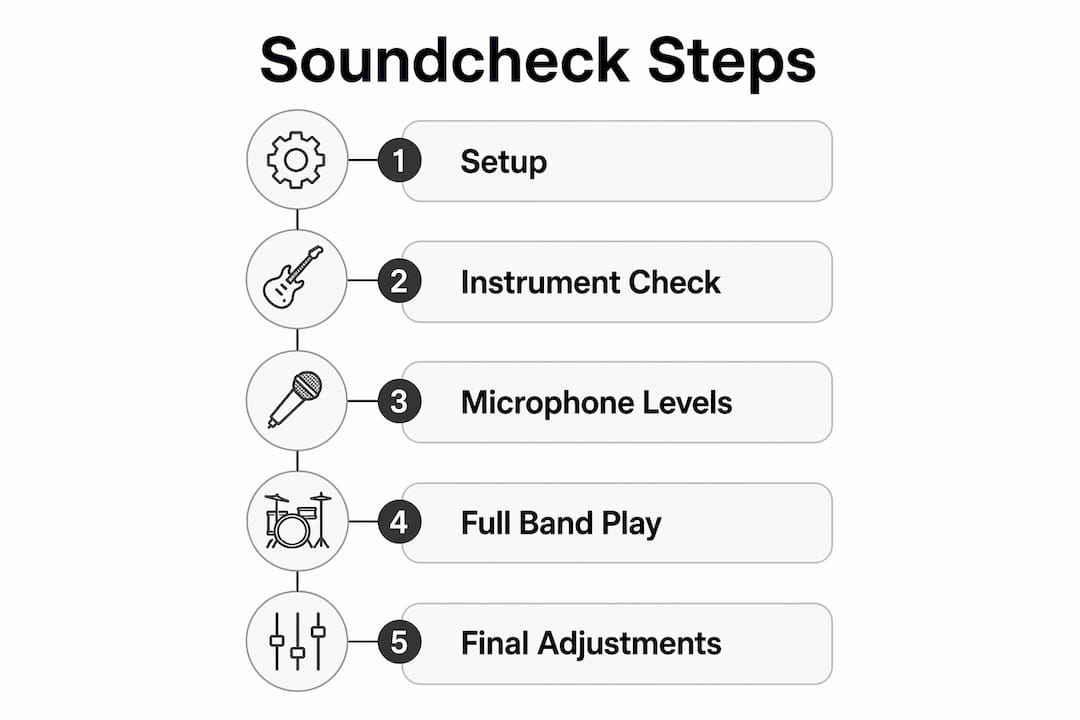
The soundcheck follows a specific order. Deviating from it creates problems that take longer to fix than the time saved by cutting corners.
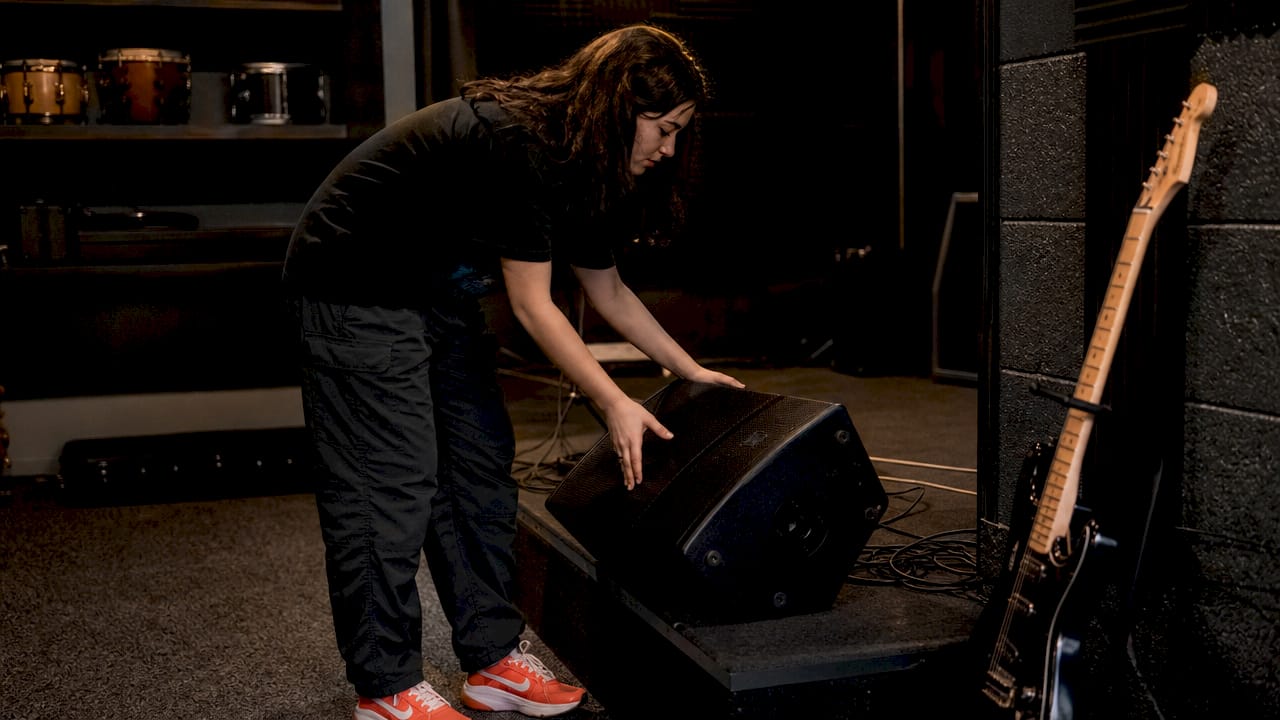
Stage setup and equipment verification. All instruments, amplifiers, microphones, and direct injection boxes are connected and powered on. The audio engineer confirms signal is reaching the mixing desk from every channel.
Line checking in acoustic order. Drums come first: kick drum, snare, toms, then overheads. Bass follows, then guitars and keys, and vocals are checked last. This order matters because checking vocals before the full stage volume is established causes monitor problems once the band plays at full level.
Monitor mix adjustments. Each performer needs to hear themselves and the band clearly through the stage monitors. The engineer works through each monitor mix individually, asking musicians what they need more or less of.
Gain, EQ, and phase checks. The engineer sets input gain for each channel, applies equalisation to shape the tone, and checks phase alignment between microphones. Feedback is identified and eliminated at this stage.
Full band playthrough. The band plays a song or a section of one together. This is the moment the engineer hears how all sources interact and makes final adjustments to the front-of-house mix.
Final confirmation. The engineer and band leader confirm monitor mixes, effects levels, and any cues that require specific timing during the show.
Pro Tip: Play at the volume you will actually perform at during the soundcheck. Playing quietly to be polite produces a mix that falls apart the moment the show starts.
When schedules are tight, a condensed 15-minute soundcheck focusing on gain, kick drum, and vocals is a recognised alternative to skipping entirely. It is not ideal, but it protects the most critical elements of the mix.
Why is a band sound check important?
A proper soundcheck prevents the technical failures that damage reputations and frustrate audiences. Skipping soundchecks leads to extended troubleshooting during events, risking delays and professional credibility. The time invested before the show saves far more time during it.
The specific benefits of a thorough soundcheck include:
- Feedback prevention. Feedback occurs when a microphone picks up its own amplified signal. The soundcheck identifies and eliminates these problem frequencies before the audience is present.
- Dead microphone detection. A microphone that fails during a show is embarrassing. A soundcheck catches faulty cables, loose connectors, and battery failures in advance.
- Balanced audience sound. Proper soundchecks prevent inaudible instruments and unbalanced mixes that disengage audiences.
- Performer confidence. Musicians who can hear themselves clearly play better. A good monitor mix is the difference between a confident performance and a distracted one.
- Reduced show-day stress. When technical problems are solved before the audience arrives, the band and event team can focus on the performance itself.
“Professional performers treat soundcheck as an integral part of the performance, not a chore. Approaching it with urgency and professionalism is key.” — How to soundcheck like a pro
The soundcheck also builds the working relationship between the band and the audio engineer. Making eye contact and learning band members’ names builds the rapport necessary for smooth adjustments under pressure. That human connection is as important as the technical process.
Common challenges and how to avoid pitfalls
The most frequent soundcheck mistakes are predictable and avoidable. Knowing them in advance saves time and protects the quality of the live mix.
- Playing at the wrong volume. Fake soundchecking at low volume produces inaccurate levels. The first songs of the show suffer because the mix was set for a volume that does not match the actual performance.
- Ignoring the empty room effect. A room sounds different when empty than when filled with an audience. Human bodies absorb sound, which changes the live mix around the venue. Engineers account for this by making post-soundcheck adjustments, but bands should understand why the sound shifts once the audience arrives.
- Arriving without an input list. An input list tells the engineer exactly what channels the band needs, in what order, and with what requirements. Arriving without one wastes the first portion of the soundcheck on information gathering.
- Checking vocals too early. Vocals checked before the full band is playing at performance volume will need to be re-adjusted. Follow the acoustic order: drums, bass, instruments, then vocals.
- Talking over the engineer. Multiple band members giving feedback simultaneously creates confusion. One person, usually the band leader or musical director, should communicate with the engineer.
Pro Tip: Use a song from your actual setlist during the full band playthrough. It tests the real dynamics of your performance rather than an improvised jam that may not reflect your actual volume levels.
When time is genuinely short, prioritise the kick drum, bass, and lead vocal. These three elements define the foundation of the mix. Everything else can be adjusted during the first song if necessary.
How to prepare as a band or event planner for a smooth sound check
Preparation before the soundcheck determines how efficiently the soundcheck itself runs. Providing engineers with advance stage layouts and input lists allows them to set up the desk and patch the stage before the band arrives. That preparation converts the soundcheck from a setup session into a pure audio adjustment session.
For bands and event planners, the preparation checklist covers:
- Submit a stage plan and input list at least 48 hours before the event. Include instrument positions, amplifier locations, monitor positions, and every audio source the band uses. A detailed wedding band stage requirements guide can serve as a template for this document.
- Arrive on time. Soundchecks have fixed windows. Arriving late compresses the available time and forces the engineer to cut corners.
- Bring all equipment in working order. Spare cables, fresh batteries for wireless systems, and backup microphones prevent delays caused by equipment failure.
- Choose the right song for the playthrough. Select a track that uses every instrument and vocal in the band at performance volume. A song that features only half the band leaves the other half unchecked.
- Communicate monitor requirements in advance. Each musician should know what they need in their monitor before the soundcheck begins. Vague requests during the check slow the process down.
- Brief the band on soundcheck etiquette. Only one person communicates with the engineer. Everyone else plays when asked and stops when asked. Reviewing a band performance checklist before the event reinforces these expectations.
Good preparation before soundcheck greatly improves time use and final sound quality, reducing stress at events. For event planners specifically, confirming that the venue’s PA system matches the band’s technical rider before the day of the event eliminates the most common source of soundcheck delays.
Key takeaways
A soundcheck is the single most effective tool for preventing technical failures and protecting the quality of a live performance.
| Point | Details |
|---|---|
| Definition | A soundcheck is pre-performance audio preparation covering every instrument, microphone, and monitor on stage. |
| Acoustic order | Check drums first, then bass, instruments, and vocals last to avoid feedback and monitor problems. |
| Performance volume | Always soundcheck at the volume you will actually play at, or the mix will be wrong from the first song. |
| Preparation saves time | Submitting a stage plan and input list in advance converts setup time into pure audio adjustment time. |
| Human element | Clear communication and rapport between the band and engineer produce better outcomes than technical skill alone. |
What 20 years of soundchecks taught me
The technical steps of a soundcheck are learnable in an afternoon. The part that takes years to understand is the human side of it.
Every soundcheck I have been part of that went badly had the same root cause: poor communication. Either the band was not listening to the engineer, or the engineer was not listening to the band. The technical problems were almost always secondary. A feedback issue is fixable in 30 seconds. A band that ignores the engineer’s requests and keeps playing when asked to stop can derail a soundcheck entirely.
The other thing most musicians underestimate is how much the room changes once the audience arrives. I have seen bands panic at the shift in sound and assume something has gone wrong. Nothing has gone wrong. The audience has absorbed the high-frequency energy that was bouncing around the empty room. A good engineer anticipates this and adjusts. A band that understands it stays calm and trusts the process.
My advice to any musician or event planner reading this: treat the soundcheck as the first act of the show. Arrive prepared, communicate clearly, and play at full volume. The 45 minutes you invest before the doors open determines the quality of everything that follows.
— Deni
Brownsugarmusic and professional live performance
Brownsugarmusic has performed at weddings, corporate functions, and some of Sydney’s finest venues since 2003, including a residency of over 20 years at Marble Bar in the Hilton Sydney. That level of consistency comes from treating every technical detail, including the soundcheck, as part of the performance itself.

For event planners and couples looking for a band that arrives prepared, communicates clearly with venue engineers, and delivers a polished live sound from the first note, Brownsugarmusic is the standard. Their R&B soul wedding guide covers the full picture of what a professional live music experience looks like, from stage setup through to the final song. For a complete wedding performance checklist, their resources give planners and bands everything needed to prepare with confidence.
FAQ
What is a band sound check in simple terms?
A band sound check is a pre-show process where musicians and audio engineers test and adjust all equipment to achieve the right sound levels before the audience arrives. It covers every instrument, microphone, and monitor on stage.
How long does a band sound check take?
A thorough soundcheck for a 4–5 piece band takes 30–45 minutes. When time is limited, a condensed 15-minute check focusing on kick drum, gain, and lead vocal is a recognised minimum.
What order should instruments be checked in?
The standard acoustic order is drums first (kick, snare, toms, overheads), then bass, then other instruments, and vocals last. This order prevents feedback and monitor problems that occur when vocals are checked before full stage volume is established.
Why does the sound change when the audience arrives?
Human bodies absorb sound, particularly high frequencies, which changes the acoustic character of the room. Engineers account for this by adjusting the mix after the audience enters, which is a normal and expected part of the live sound process.
What should a band bring to a sound check?
Bands should bring a completed input list, a stage plan, all equipment in working order, spare cables, and fresh batteries for any wireless systems. Submitting the input list and stage plan to the engineer at least 48 hours before the event produces the best results.