

UK weddings in 2026 favour short, genre-blending sets that pair live players with DJ edits. Build a 60–80 must-play shortlist and let your professional read the room.
Three tracks worth knowing right now:
- “I Wanna Dance with Somebody” (Whitney Houston) — the single most requested floor-filler across English-speaking weddings in 2025–2026. Works at every reception, every age group.
- “Golden” (Jill Scott) — a neo-soul first-dance option that holds emotional weight without overstaying its welcome at a 2.5-minute edit.
- “Murder on the Dancefloor” (Sophie Ellis-Bextor) — TikTok-revived, now a late-night UK wedding staple and a reliable last-dance closer.
The signals to watch in 2026:
- First-dance edits are shrinking to 2–2.5 minutes, with a cue for guests to join after the first chorus.
- Hybrid DJ-plus-live-instrumentalist sets are the fastest-growing format at UK receptions.
- Country-pop crossover tracks are entering non-country receptions, often paired with 2000s throwbacks.
Pro Tip: Brief your DJ or band to fade the first dance at the 2-minute mark and invite guests onto the floor. It removes the awkward standing-and-watching moment and gets the room moving 10–15 minutes earlier than a full-length track would.
Key takeaways
The single most useful action for 2026: build a 60–80 must-play shortlist, specify exact versions for ceremony tracks, and brief your vendor with a three-song vibe playlist rather than a genre label.
| Point | Details |
|---|---|
| Shorter first-dance edits | Plan a 2–2.5 minute custom edit and cue guests to join after the first chorus. |
| 60–80 must-plays plus a do-not-play list | 1 in 3 couples provide a do-not-play list; it is as useful as the must-play list for vendors. |
| Hybrid formats are growing | DJ-plus-sax or acoustic-to-DJ transitions deliver live energy at a lower cost than a full band. |
| R&B and neo-soul anchor the emotional moments | From ceremony to first dance to floor-fillers, R&B suits the full arc of a wedding day. |
| Brownsugarmusic | A live R&B and soul band with 20+ years of wedding performance, suited to couples wanting a band that reads the room. |
Table of Contents
- What are the biggest 2026 wedding music trends?
- Moment-by-moment 2026 playlist: data-backed UK picks
- How to brief vendors, set a budget, and book on time
- Live band vs DJ in 2026: which format fits your wedding?
- How the 2026 claims were built: sources and methodology
- What the data misses: a perspective on 2026 wedding music
- Brownsugarmusic: live R&B and soul for your wedding
- Sources
What are the biggest 2026 wedding music trends?
Practitioner DJ reports and booking data point to eight clear shifts shaping wedding playlists this year.
1. Shorter first-dance edits
The standard 3.5–4 minute first dance is fading. DJs and bands now routinely prepare 2–2.5 minute custom edits, cutting straight to the emotional peak of a track. The “everyone joins after the first chorus” cue has become common practice at UK receptions, keeping energy high and avoiding the long, static moment that empties a room.
2. TikTok-driven song selection
Streaming-led discovery has shortened the time it takes a track to reach wedding rotation. TikTok virality combined with Spotify playlisting drives sudden revivals, which is why Sophie Ellis-Bextor’s “Murder on the Dancefloor” and Kate Bush’s “Running Up That Hill” have both cycled back into reception sets. Brides confirms that TikTok-resurgent tracks are influencing reception choices and shortening average played lengths.
3. Genre crossover
Couples are pairing tracks across genres in the same block. Sam Jones at Brides.com notes a distinct country-pop crossover entering non-country receptions in 2026, with couples placing Zach Bryan or Beyoncé’s “Cowboy Carter” cuts alongside 2000s pop throwbacks. Afrobeats, disco, and funk are also being woven into UK reception sets, per local UK planner reporting.
4. Hybrid DJ-plus-live formats
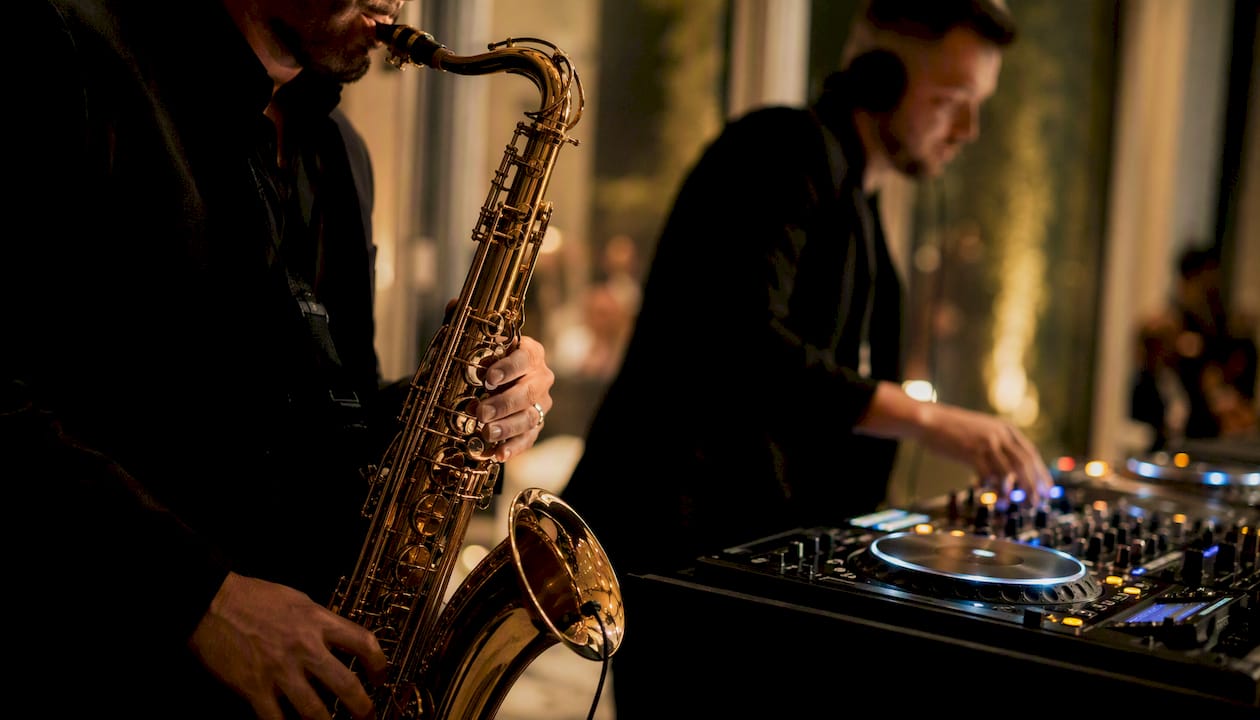
A DJ with a live saxophonist or percussionist is now the fastest-growing optional extra at UK receptions. Acoustic-to-DJ transitions, roaming string players during drinks, and a live band for the peak set followed by a DJ for late night are all established formats in 2026. The hybrid model gives couples the energy of live performance without the full cost of a six-piece band for five hours.
5. Neo-soul and modern R&B resurgence
R&B and neo-soul continue to supply both ceremony and first-dance options and modern floor-fillers. Artists such as Alicia Keys, John Legend, Beyoncé, and H.E.R. appear across ceremony, cocktail, and reception playlists. The genre suits the emotional arc of a wedding day better than most: it can be tender during the ceremony and high-energy on the floor later.
6. Country-pop crossover
This is the most unexpected trend in 2026 UK wedding playlists. Tracks by Morgan Wallen, Zach Bryan, and Beyoncé’s country-adjacent material are appearing at receptions where country music would have been unusual five years ago. The pairing with 2000s pop creates a playful, high-energy block that works particularly well for mixed-age guest lists.
7. 90s–00s nostalgia revival
Millennial couples are now the primary wedding demographic, and their nostalgia is driving playlist choices. “Mr. Brightside,” “Yeah!” by Usher, and “Don’t Stop Believin’” all appear in the DJ Intelligence top-requested list. These tracks function as reliable floor-fillers because they are known by guests aged 25–65.
8. Cocktail-hour moodiness
Dinner and drinks music is shifting toward a more considered, low-key sound. Jazz-inflected neo-soul, acoustic covers, and lo-fi R&B are replacing generic background playlists. FixTheMusic’s analysis of 10,000 client conversations shows that couples prefer to delegate dinner music to professionals while focusing their own energy on ceremony, first dance, and the dance floor.
Technology and delivery are also changing expectations. AI-curated playlists on Spotify allow couples to share a reference playlist with their vendor before the first meeting. Live-streaming of ceremonies has pushed couples to think about how music sounds on a microphone, not just in a room. Sample edits shared via WhatsApp or Dropbox are now a standard part of the briefing process.
Pro Tip: When briefing a band or DJ, send a three-song “vibe playlist” on Spotify rather than a genre label. “Neo-soul with a disco finish” means different things to different people. Three tracks communicate it instantly.
Moment-by-moment 2026 playlist: data-backed UK picks
Each wedding moment has a different job. The music that works for a processional will clear the floor at 10 PM, and vice versa.
Ceremony
Processional: “A Thousand Years” (Christina Perri) and “Can’t Help Falling in Love” (Elvis Presley) remain the most requested UK ceremony tracks per 2026 ceremony song roundups. For a contemporary alternative, Hozier’s “From Eden” or a string-quartet cover of Beyoncé’s “Halo” both work well.
Signing: Instrumental or acoustic. John Legend’s “All of Me” (piano version) or a neo-soul instrumental cover of “Golden” by Jill Scott. Keep it under 3 minutes.
Recessional: Upbeat and celebratory. “Signed, Sealed, Delivered” (Stevie Wonder), “Happy” (Pharrell Williams), or a brass-band cover of “September” (Earth, Wind & Fire).
Drinks and cocktail hour
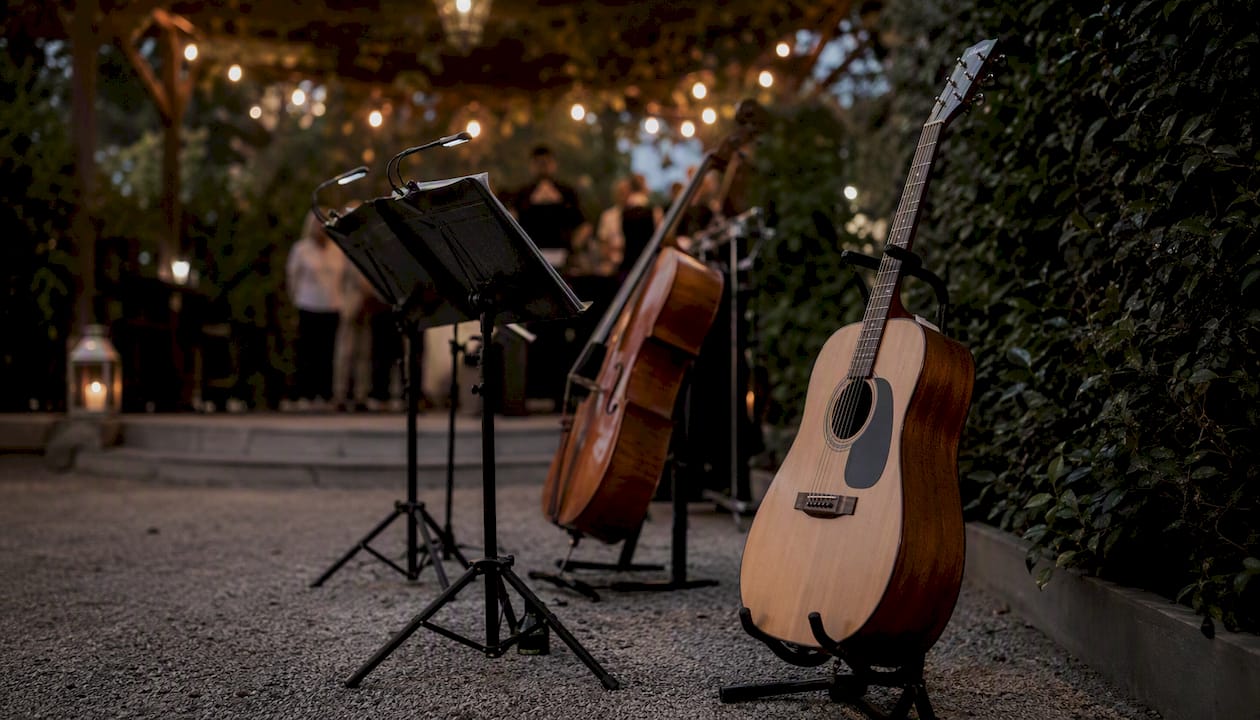
Aim for 70–80 BPM. Jazz-inflected R&B, acoustic soul, or a roaming string duo. Tracks like “Isn’t She Lovely,” “At Last,” or a live cover of “Golden” set a warm, social tone without competing with conversation.
Reception openers
The first 20 minutes of the reception set the tone. Start at medium energy and build. “Uptown Funk,” “September,” or “Dancing Queen” are reliable openers because they are universally known and signal that the floor is open.
Peak floor-fillers
| Moment | Track | Why it works |
|---|---|---|
| Floor opener | “I Wanna Dance with Somebody” | Most requested track across English-speaking weddings |
| Mid-set peak | “Mr. Brightside” | Cross-generational, crowd-sing moment |
| Afrobeats block | “Essence” (Wizkid ft. Tems) | Increasingly requested at UK multicultural weddings |
| Country-pop crossover | “Texas Hold ‘Em” (Beyoncé) | 2026 trend entry point for non-country crowds |
| Late-night R&B | “Yeah!” (Usher) | Reliable floor-filler, 90s–00s nostalgia block |
Last dance
“Don’t Stop Believin’” or “Sweet Caroline” for a singalong close. “Murder on the Dancefloor” for a high-energy finish. For a more emotional close, “At Last” (Etta James) or a live R&B ballad works well.
Edit-length guidance: First dance at 2–2.5 minutes. DJ chorus-focused transitions average around 2:30 in 2026. Plan the “everyone joins” cue at the end of the first chorus, not the end of the song.
Playlist assembly tips:
- Hand your vendor 60–80 must-plays and a do-not-play list.
- Leave a 30–40% freedom margin for reading the room.
- Specify exact versions for ceremony tracks (original, cover, instrumental, or live version).
- For multicultural or bilingual guest lists, include 5–10 tracks in the relevant language or regional style and flag them as must-plays, not suggestions.
For a complete guide to building your wedding song shortlist, including templates for must-play and do-not-play lists, Brownsugarmusic’s planning resources cover the process in detail.
How to brief vendors, set a budget, and book on time
Briefing checklist
A clear brief saves time and avoids the wrong songs at the wrong moments. Include:
- Tone and vibe — three reference tracks on Spotify, not a genre label.
- Must-play list — 60–80 tracks, grouped by moment (ceremony, drinks, reception, late night).
- Do-not-play list — 1 in 3 couples provide one; it is as useful as the must-play list.
- Exact versions — specify original, cover, instrumental, or a specific artist’s version for ceremony tracks. Nearly 8 in 10 couples specify exact versions or timings for ceremony songs.
- Multilingual requests — flag non-English tracks and confirm the vendor knows the correct version.
- Join-the-dance cue points — note exactly when you want guests invited onto the floor.
Booking timeline
- 12+ months out: Confirm ceremony musicians and the main band or DJ. Popular acts book out early, particularly for summer Saturdays.
- 6 months out: Share your initial must-play list and vibe brief. Request sample edits for the first dance.
- 3 months out: Finalise the drinks and reception setlists. Confirm any hybrid add-ons (sax, percussion).
- 6 weeks out: Final logistics call: stage size, PA requirements, power supply, noise curfew, and set times.
- 1 week out: Confirm arrival and soundcheck times. Share the final do-not-play list.
For a step-by-step wedding entertainment timeline, Brownsugarmusic’s planning guide covers each milestone in detail.
Budget ballpark
Budget varies significantly by format and region. Qualitative differences to note:
- Standard DJ package: Lower cost, widest repertoire flexibility, easiest logistics. Best for couples prioritising variety and late-night energy.
- Small acoustic ensemble (duo or trio): Mid-range cost, suited to ceremony and drinks. Limited volume and repertoire compared to a full band.
- Four-piece live band: Higher cost, stronger floor energy, more memorable guest experience. Requires more stage space and a longer soundcheck.
- Hybrid DJ-plus-soloist: Mid-to-high cost depending on the add-on. Delivers a live feel at a lower price point than a full band. The fastest-growing format in 2026.
Pro Tip: Negotiating a hybrid add-on (sax or percussion) with an existing DJ booking often costs less than hiring a separate musician. Ask your DJ whether they work with regular session players before approaching a separate agency.
Contract and logistics checklist
- Stage dimensions and minimum clearance.
- PA system and subwoofer requirements.
- Power supply: number of sockets and amperage.
- Microphone and DI box requirements for speeches.
- Noise curfew and decibel limits (confirm with the venue, not just the vendor).
- A clause specifying how edit and request changes are handled after the final brief is submitted.
For guidance on managing guest music requests and setting clear expectations with your band or DJ, Brownsugarmusic’s guide covers the process clearly.
Live band vs DJ in 2026: which format fits your wedding?
The choice is not binary. Most couples in 2026 are choosing a combination.
Live band: pros and cons
Pros:
- Stronger emotional impact and guest engagement.
- Unique, unrepeatable performance that guests remember.
- Better suited to multicultural sets when the band has a broad repertoire.
- Live music drives earlier and longer floor engagement than a DJ in most venue types.
Cons:
- Higher cost and longer load-in time.
- Repertoire limited to what the band rehearses.
- Requires more stage space and a longer soundcheck.
- Volume control can be harder in smaller venues.
DJ: pros and cons
Pros:
- Widest possible repertoire — any track, any version, any edit.
- Lower cost and simpler logistics.
- Easier to manage noise curfews and volume levels.
- Seamless transitions between genres and tempos.
Cons:
- Less visceral energy than a live performance.
- Guest experience is less distinctive.
- Reading the room depends entirely on the individual DJ’s skill.
Hybrid formats in practice
The most effective hybrid configurations in 2026:
- DJ-plus-sax: DJ handles the full set; a saxophonist plays over the top during peak floor moments. Works in almost any venue size.
- Acoustic ceremony, then DJ: A string duo or acoustic vocalist for the ceremony and drinks, handing over to a DJ for the reception. Cost-effective and covers all moments well.
- Live band for peak set, DJ for late night: The band plays the 8–10 PM peak set; the DJ takes over for the late-night floor. Gives guests both experiences.
Questions to ask your vendor
Before confirming any booking, ask:
- Can you prepare a custom edit of our first-dance track at 2–2.5 minutes?
- How do you handle a do-not-play list during a live set?
- What is your process for reading the room and adjusting the setlist?
- Have you worked with a bilingual or multicultural guest list before?
- What is the changeover time between a live set and a DJ set?
- What are your stage and power requirements?
For guidance on how live music fills the dance floor and what to expect from different formats, Brownsugarmusic’s planner guide covers the practical differences clearly.
Multicultural and bilingual sets require specific briefing. Confirm the vendor knows the correct versions of non-English tracks, understands the cultural context of key moments, and has experience sequencing across genres without jarring transitions. A generational music guide can help couples brief vendors on the age range and cultural mix of their guest list.
How the 2026 claims were built: sources and methodology
The trends and recommendations in this guide draw on the following primary sources:
- DJ Intelligence (via BandCalendar): — Aggregated request data from thousands of weddings across English-speaking markets, producing the Top 100 Most Requested Wedding Songs list used throughout this guide.
- FixTheMusic (10,000 client conversations): — Aggregated analysis of real briefing conversations, covering vibe language, do-not-play lists, and ceremony-track version preferences.
How claims were cross-checked: Booking-data claims (most-requested tracks, hybrid format growth) are stronger because they reflect actual purchasing behaviour. Editorial and practitioner observations (country-pop crossover, TikTok revivals) are observational and directional rather than statistically precise.
Limitations: Regional variation across UK markets is real. A London wedding and a rural Scottish wedding may have different floor-filler expectations. There is also a lag between streaming trends and live-floor adoption: a track trending on TikTok in February may not reach wedding rotation until summer. Viral tracks can also fade quickly, so confirm current relevance with your vendor before committing.
What the data misses: a perspective on 2026 wedding music
The trend reports are useful, but they measure what couples request, not what actually works on the night.
The most consistent pattern across weddings is not a specific genre or track. It is the moment when a room shifts from polite attendance to genuine participation. That shift rarely happens because the right song played at the right time. It happens because a performer read the room correctly and made a decision the data could not have predicted.
Hybrid formats are growing because couples have worked out that a DJ alone cannot always create that moment, and a full band is not always practical. A live saxophonist over a DJ set, or a vocalist stepping out for three songs during peak hour, adds a human element that changes the room’s relationship with the music. Guests stop being an audience and start being participants.
The country-pop crossover trend is real, but it is also fragile. It works when the crowd already has a connection to the tracks. Placed wrongly, it clears the floor. The same is true of Afrobeats and any other genre that requires cultural familiarity to land. The data shows what is trending; it does not show which guest list will respond to it.
The practical implication: trust the data for shortlisting, but trust your vendor’s judgment for sequencing. The 60–80 must-play list is a starting point, not a script.
Brownsugarmusic: live R&B and soul for your wedding
Brownsugarmusic is a live R&B and soul band with over 20 years of wedding and event performance behind them. For couples who want the energy and authenticity of a live band, without the guesswork of finding one that can actually read a room, Brownsugarmusic offers a repertoire that covers classic soul, neo-soul, funk, and contemporary R&B across every wedding moment, from ceremony to last dance.
The band’s experience spans weddings, corporate events, and residencies including a long-running Friday night residency at Marble Bar in the Hilton Sydney. That depth of live performance translates directly to the floor: the ability to adjust tempo, extend a peak moment, or pull back when the room needs it.
For couples drawn to the R&B and soul wedding atmosphere that the 2026 trends point toward, or planners looking for a live band with proven reception credentials, contact Brownsugarmusic to check availability for your date.
Sources
Primary data sources used in this guide:
- Top 100 Most Requested Wedding Songs 2026 — BandCalendar
- Wedding Music Trends 2026 | The Ultimate DJ Playbook
- Brides
- 27 Best R&B Wedding Songs – From First Dance to Dancefloor Classics – FixTheMusic
Brownsugarmusic internal guides: